Cute Dabbing Mouse Watercolor Illustrations Review
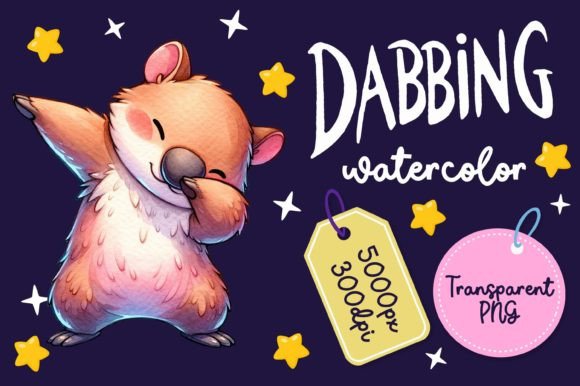
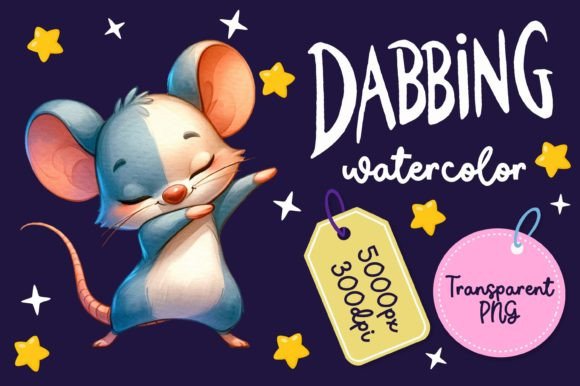
When evaluating a new graphic design asset for my Etsy shop and print-on-demand store, I always look beyond the initial "cute factor" to assess true commercial viability. My first impression of the Cute Dabbing Mouse Watercolor collection was that it strikes a specific balance between playful nostalgia and modern digital art trends. The mood is undeniably lighthearted, targeting a demographic that appreciates kawaii aesthetics mixed with internet culture humor. Unlike generic animal clipart, this illustration carries a distinct visual personality that suggests movement and attitude. For creative entrepreneurs and small business branding, this specificity is valuable. It does not try to appeal to everyone; instead, it speaks directly to Gen Z buyers, young parents decorating nurseries, or stationery enthusiasts who enjoy quirky character design. The watercolor texture adds a handmade business feel that elevates it above flat vector art, making it suitable for premium digital downloads and physical merchandise alike.
Commercial Applications Across Product Categories
In a real shop scenario, I would never rely on a single asset for just one product type. To maximize ROI, I tested the Cute Dabbing Mouse Watercolor across multiple formats to see where it performs best as a sellable digital product. As a PNG design with a transparent background, it is immediately useful for sublimation design projects. I found the colors vibrant enough for tumbler wraps and mug designs without requiring significant color correction. For apparel, specifically t-shirt design, the watercolor edges provide a soft, vintage look that prints beautifully on both white and heather gray fabrics using direct-to-garment printing.
For Cricut users and crafters, the utility depends heavily on file preparation. While the original watercolor illustration is stunning, complex textures can sometimes cause issues with automatic tracing tools. I recommend offering this as part of a design bundle that includes both the high-resolution PNG for printing and a simplified SVG design for cutting. This dual-format approach caters to both sublimation sellers and vinyl crafters simultaneously. Additionally, this asset shines in printable design applications. I successfully incorporated the mouse into planner stickers, greeting cards, and nursery wall art. The whimsical nature of the dabbing pose makes it an excellent focal point for children’s party invitation templates or social media graphics promoting kid-friendly products.
Optimizing Listings and Visual Presentation
A common mistake digital product creators make is underutilizing their assets in marketing materials. The Cute Dabbing Mouse Watercolor is not just inventory; it is a tool for improving click-through rates. When creating product mockups for Etsy or Creative Fabrica, placing this character in the corner of a listing image adds immediate context and charm. It signals to the buyer that the file contains high-quality, detailed artwork rather than low-effort AI generation. For Canva template sellers, this illustration serves as a perfect decorative element in social media templates or blog graphics, helping customers visualize how they might use similar clipart in their own projects.
Visual hierarchy is crucial when selling digital assets. In my testing, I found that this mouse works best as a primary focal point rather than a background pattern. Because the pose is dynamic, it draws the eye effectively. Use it to anchor your thumbnail designs or to break up text in promotional visuals. However, ensure there is adequate negative space around the character. Crowded thumbnails often perform poorly in search results. By allowing the Cute Dabbing Mouse Watercolor to breathe within the composition, you communicate professionalism and quality, which builds customer trust and increases perceived value.
Technical Considerations and Usage Limitations
While versatile, this asset requires careful handling in specific contexts. Experienced sellers know that watercolor textures do not always translate well to every medium. I advise against using this specific illustration for tiny sticker designs or intricate die-cut labels. The soft, painted edges can become muddy or lost when scaled down below two inches. Similarly, if you are creating packaging design or brand identity elements that require crisp, scalable lines, a raster-based watercolor may not be the right choice compared to a clean vector.
Contrast is another technical factor to verify before publishing. Watercolor pigments can sometimes appear washed out on dark backgrounds unless properly backed with white ink or a solid shape. If you plan to offer this as a sublimation design for black tumblers or dark apparel, test the print output first. You may need to add a white underbase layer in your design software to maintain color vibrancy. Furthermore, avoid placing this asset on busy or textured backgrounds in your listing photos. The organic brush strokes of the mouse can visually blend into paper textures or grunge overlays, reducing clarity. Always preview your final product against solid white or neutral backgrounds to ensure the illustration remains the star of the show.
Seller Checklist for Quality Assurance
Before listing any new creative marketplace item derived from this asset, run through a practical quality control checklist. First, verify the commercial license terms explicitly. Ensure you are permitted to sell finished products versus selling the raw digital download itself, as licensing varies significantly between platforms. Next, inspect the file resolution. For print-on-demand and physical merchandise, confirm the PNG is at least 300 DPI at the intended print size. Upscaling low-resolution files leads to pixelation and negative reviews.
- Font Pairing: Test the illustration with various typography styles. A bold sans serif font creates a modern, streetwear vibe, while a handwritten script font enhances the nursery or journaling aesthetic. Avoid overly ornate display fonts that compete with the watercolor details.
- File Organization: If selling as a clipart bundle, organize files logically. Separate colored versions from line art if applicable, and include a PDF guide showing usage examples.
- Mockup Testing: Never list without a realistic mockup. Digital previews can be deceiving. Seeing the Cute Dabbing Mouse Watercolor on a real tote bag or framed print helps manage customer expectations regarding scale and color accuracy.
- SVG Cut Lines: If providing a cut file, manually simplify the path. Do not rely solely on auto-trace. Clean cut lines prevent machine errors and reduce customer support inquiries regarding Cricut project failures.
Ultimately, the success of incorporating Cute Dabbing Mouse Watercolor into your shop lies in strategic application. It is a strong contender for niche markets involving gaming decor, children's education materials, and trendy apparel. By respecting its technical limitations and leveraging its unique personality in your visual storytelling, you can transform a single graphic design asset into a cohesive, profitable product line. Remember that in the saturated market of digital downloads, it is the thoughtful execution and professional presentation of illustrations that separates hobbyists from sustainable businesses. Treat this asset as a component of a larger brand strategy, test rigorously, and let the data from your initial listings guide future collection expansions.