Emerald Watercolor Princess Clipart for Illustrations
First Impressions: Evaluating Mood and Brand Alignment
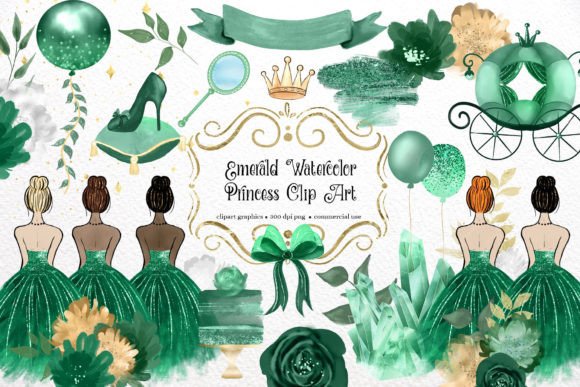
As a brand designer reviewing assets for an upcoming children’s lifestyle campaign, my first interaction with the Emerald Watercolor Princess Clipart was focused entirely on emotional resonance. In content marketing, we know that visuals process 60,000 times faster than text, so this graphic design asset needs to communicate value instantly. The emerald tone immediately signals a departure from the traditional pink princess trope, suggesting sophistication, growth, and a touch of vintage luxury. For small business branding, this specific color choice is strategic; it attracts an audience looking for premium, nature-inspired aesthetics rather than generic mass-market visuals.
The watercolor texture adds a layer of organic softness that is crucial for building audience trust in handmade or boutique markets. When I evaluate illustrations for commercial design, I look for versatility. This clipart strikes a balance between whimsical and polished, making it suitable for both playful social media graphics and more refined editorial design. It does not feel chaotic or messy, which is a common pitfall with watercolor assets. Instead, the edges are defined enough to maintain professional branding standards while retaining the artistic integrity required for creative entrepreneurs and online coaches targeting parents or young audiences.
Strategic Application in Product Launches and Digital Campaigns
In a real-world scenario, imagine we are launching a new line of eco-friendly party supplies or a seasonal storytelling workshop. The Emerald Watercolor Princess Clipart serves as the anchor visual for this campaign. For product labels and packaging design, this illustration provides immediate shelf appeal. The green hue contrasts beautifully against kraft paper or cream-colored backgrounds, creating a visual hierarchy that guides the customer’s eye to the product name without overwhelming the essential information.
For digital sellers and content creators, this asset shines in Canva templates and Pinterest pins. When designing marketing visuals for Pinterest, vertical space is premium real estate. Placing this princess illustration at the top third of a pin creates a strong focal point that stops the scroll. In email banners and website headers, the asset acts as a decorative frame that softens the transition between promotional copy and product photography. As a PNG design, it layers seamlessly over solid colors or subtle patterns, allowing marketers to create cohesive campaign kits across multiple platforms without the visual disconnect that often happens when mixing disparate art styles.
Enhancing Engagement Through Consistent Visual Storytelling
Consistency is the bedrock of brand identity. Using this specific clipart across Instagram posts, Facebook ads, and blog graphics creates a recognizable thread that reinforces brand recall. When used in lead magnets like printable coloring pages or activity sheets, the illustration transforms from a mere decoration into a value-add digital product. This dual utility supports content marketing goals by increasing engagement time and providing shareable material that extends the campaign's reach organically.
- Social Media Covers: Use the asset in the corner of profile banners to establish theme consistency without obscuring text.
- Packaging Inserts: Print the illustration on thank-you cards to elevate the unboxing experience and encourage user-generated content.
- Editorial Layouts: Utilize the clipart as drop caps or section breakers in newsletters to maintain reader interest.
- Merchandise Design: Apply the high-resolution file to stickers or apparel, ensuring the watercolor details remain crisp at various sizes.
Optimal Placement vs. Contextual Limitations
While the Emerald Watercolor Princess Clipart is a powerful tool, knowing where not to use it is just as important for maintaining professional branding. This asset performs exceptionally well in hero graphics, event flyers for baby showers or birthdays, and branded templates for feminine or juvenile niches. It supports modern design trends that favor nostalgia and handcrafted authenticity.
However, caution is required in formal corporate environments or dense information layouts. If you are designing a technical white paper or a minimalist SaaS landing page, this illustration may clash with the intended serious tone. Additionally, in small mobile graphics or app icons, the intricate watercolor details might get lost, reducing the visual impact. Designers must also be mindful of low-contrast backgrounds; placing emerald watercolor on a dark green or busy photographic background will destroy readability and visual hierarchy. Always ensure the asset supports the main message rather than competing with it for attention.
Technical Checks for Commercial Viability and Accessibility
Before integrating this graphic design asset into paid ads or client work, I run through a rigorous technical checklist. First, verify the commercial license. Whether sourced from a creative marketplace or a direct designer, confirming usage rights prevents legal issues down the line. Next, test the asset in black and white. A strong illustration should hold its form and recognizability even without color, which is vital for accessible web design and print cost-saving measures.
Typography pairing is another critical step. I recommend testing this clipart against serif fonts for a classic storybook feel, or clean sans-serif fonts for a modern retail look. Avoid overly ornate script fonts that might fight with the watercolor texture for visual dominance. Finally, always preview designs on actual mobile screens. What looks balanced on a desktop monitor may appear cluttered on a phone. By validating spacing, contrast, and licensing, content creators can confidently leverage this design bundle to build memorable, trustworthy, and visually consistent campaigns.
Maximizing ROI with Versatile Design Assets
Ultimately, the value of the Emerald Watercolor Princess Clipart lies in its ability to bridge the gap between artistic expression and commercial function. For small business owners and digital sellers, it is more than just a pretty picture; it is a strategic component of a larger visual ecosystem. When applied with intention, it enhances product presentation, fosters emotional connections, and elevates the perceived value of both physical and digital offerings. By treating this clipart as a core element of your brand identity rather than an afterthought, you ensure that every piece of content contributes to a cohesive and profitable marketing strategy.