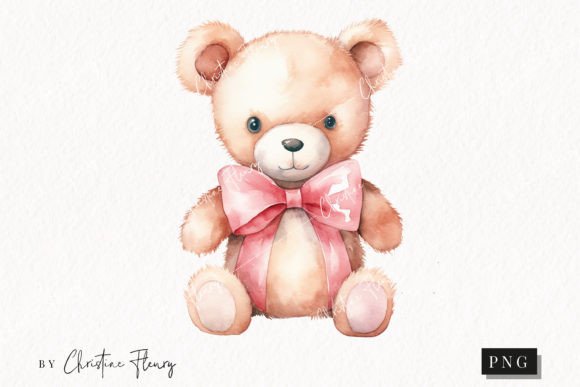
St. Patrick's Day Teddy Bear Watercolor Illustrations
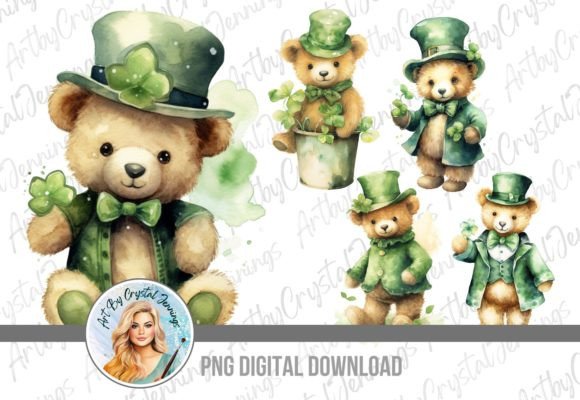
As a handmade business owner preparing for the spring rush, my first impression of the St. Patrick's Day Teddy Bear Watercolor asset was one of immediate warmth and marketability. This isn't just another generic holiday graphic; it carries a soft, nostalgic mood that bridges the gap between playful festive decor and cozy nursery aesthetics. For those of us running Etsy shops or selling at local craft fairs, this specific style of illustration signals "premium handmade" rather than "mass-produced party supply." The watercolor texture adds an organic, artisanal quality that attracts buyers looking for sentimental gifts, baby shower favors, or gentle seasonal home decor. It feels distinctly feminine and tender, making it perfect for customers who want to celebrate the holiday without the harsh neon greens often associated with commercial St. Patrick’s Day merchandise.
Real-World Applications for Sublimation and Printables
In my current workflow, I am curating a "Little Leprechaun" collection for toddler apparel and nursery prints, and this graphic design asset has become a cornerstone piece. When using this St. Patrick's Day Teddy Bear Watercolor for sublimation design on white polyester tees and ceramic mugs, the color saturation translates beautifully. Unlike flat vector art, the watercolor edges bleed softly into the fabric, creating a vintage wash effect that customers love. For tumbler wrap designs, I found that scaling the bear up as a central focal point works best, allowing the intricate brush strokes to remain visible even when curved around a 20oz skinny tumbler.
For printable design products like planner stickers and greeting cards, the PNG design files offer excellent transparency. I successfully used the clipart to create layered digital planner assets where the bear sits naturally atop journaling boxes without harsh white borders. If you are creating physical sticker sheets for a Cricut project or Silhouette project, ensure you add a slight offset border in your software. The soft watercolor edges can sometimes confuse optical sensors during print-then-cut operations, so a solid white backing ensures clean registration marks every time.
Navigating Vinyl Cutting and Detailed Craft Projects
While this asset shines in print applications, crafters must approach vinyl cutting with strategic caution. As an experienced designer, I always test SVG design files before committing expensive materials to a batch order. Watercolor illustrations are inherently raster-based, meaning they are made of pixels rather than mathematical paths. If you intend to use this St. Patrick's Day Teddy Bear Watercolor for adhesive vinyl on tote bags or heat transfer vinyl on shirts, you cannot simply cut the raw image.
You will need to utilize the trace or image-to-SVG conversion features in Cricut Design Space or Silhouette Studio. Be mindful that automatic tracing often struggles with low-contrast watercolor washes. You may end up with jagged edges or internal holes where the paint is faint. My recommendation is to use this illustration primarily as a background element for text-based vinyl projects or to purchase a pre-traced version if available. If you must trace it yourself, simplify the design by removing tiny splatters and focusing only on the main silhouette of the bear. This prevents weeding nightmares and ensures the final product looks professional rather than pixelated. For intricate details, consider printing the watercolor bear onto cardstock and layering solid vinyl text over it instead of trying to cut the watercolor itself.
Optimizing for Commercial Sales and Brand Consistency
Running a small business branding campaign requires consistency, and this illustration offers versatile pairing opportunities. When designing product mockups for my shop listings, I paired the teddy bear with a delicate serif font for a high-end boutique look, and with a playful handwritten script for children’s party invitations. The key to maximizing sales is showing the customer exactly how the digital product translates to reality. I placed the St. Patrick's Day Teddy Bear Watercolor on realistic mockups of cream-colored sweatshirts and kraft paper gift tags to demonstrate its cozy aesthetic.
Before listing any finished goods or digital downloads, verifying your commercial license is non-negotiable. Check whether the creator allows for print-on-demand integration or if the file must be significantly altered. In my experience, combining this bear with original typography and additional design assets creates a unique composite work that satisfies most licensing requirements while protecting your shop from copyright claims. Always keep a record of your purchase receipt and license terms in your business files. Furthermore, test your printer colors before running a full batch of greeting cards; watercolor greens can sometimes print darker or more yellow than they appear on screen, and calibrating your ICC profiles ensures the festive emerald tones match customer expectations.
Technical Checklist for Makers and Sellers
To ensure this graphic design asset performs reliably across different mediums, I have developed a practical testing protocol based on real production runs:
- Resolution Verification: Confirm the PNG design is at least 300 DPI at the intended print size. Upscaling watercolor results in blur, so start with the largest file provided in the design bundle.
- Transparency Check: Open the file in your editing software to ensure there is no hidden white background box. True transparency is vital for seamless t-shirt design and sticker creation.
- Contrast Testing: Place the illustration against both white and dark backgrounds. Watercolor bears often disappear on dark fabrics unless you add a white under-base or glow effect during sublimation.
- Cut File Integrity: If using for vinyl, zoom in to 400% to inspect node placement. Clean up stray nodes manually to prevent cutter stutters.
- Color Profile Matching: Convert RGB files to CMYK if sending to a professional printer for craft fair inventory to avoid unexpected color shifts in the green hues.
- Mockup Realism: Use textured mockups that complement the watercolor style. Glossy, high-contrast mockups can make soft illustrations look artificial.
Strategic Product Pairings for Seasonal Success
The true value of the St. Patrick's Day Teddy Bear Watercolor lies in its ability to anchor a cohesive seasonal collection. Beyond standard apparel, consider applying this illustration to niche handmade products that face less competition. Custom cake toppers featuring a printed watercolor bear attached to acrylic sticks are trending for first birthdays. Personalized library bookplates using this gentle imagery appeal to parents organizing home learning spaces. For digital product sellers, bundling this bear with matching shamrock borders and coordinating plaid patterns creates a comprehensive creative marketplace offering that encourages higher cart values.
Remember that successful handmade businesses thrive on storytelling. When listing items featuring this illustration, describe the mood and the occasion rather than just the technical specs. Tell your customers that this design was chosen specifically to bring a touch of whimsical Irish charm to their celebrations. By treating this graphic design asset as a foundational element of your brand’s seasonal narrative rather than just a standalone clipart, you elevate your perceived value and connect more deeply with buyers seeking authentic, heart-felt craftsmanship. Whether you are cutting, printing, or designing digitally, let the softness of the watercolor guide your creative decisions toward products that feel as special as they look.