Watercolor Bee Valentine Sublimation Review
As a designer who spends more time behind an embroidery machine than a computer screen, I approach every new digital asset with a healthy dose of skepticism. When I first opened the Watercolor Bee Valentine Sublimation file, I wasn't just looking for a cute graphic; I was evaluating its structural integrity for stitch translation. In the world of Illustrations, watercolor styles are notoriously difficult to replicate in thread because they rely on soft gradients and transparency that needles simply cannot mimic directly. However, this specific design caught my attention not as a direct embroidery template, but as a high-potential base for mixed-media projects and sublimation-backed embroidery.
First Impressions: Soft Aesthetics Meet Structural Reality
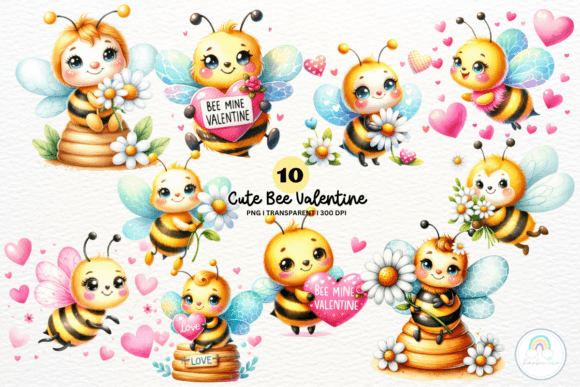
The immediate mood of this Watercolor Bee Valentine Sublimation is undeniably sweet and nostalgic. It carries that trending "cottagecore" aesthetic that has been dominating Etsy searches and boutique shelves for the past two seasons. The bee itself has a gentle, hand-painted quality with soft edges and warm honey tones, accented by subtle Valentine’s pinks. For a handmade product creator, this visual personality is gold. It feels personal rather than mass-produced, which is exactly what customers look for when buying personalized gifts or nursery decor.
However, as an experienced reviewer, I have to separate the art from the application. While labeled as a sublimation design, many crafters want to know if it can stand alone as a machine embroidery design. My professional assessment is that this artwork serves best as a hybrid element. If you attempt to digitize this strictly using traditional fill stitch or satin stitch techniques without modification, you risk losing the delicate watercolor bleed that gives the bee its charm. Dense stitching will flatten those beautiful gradients. Therefore, I view this asset primarily as a premium background for applique work or a standalone sublimation print that can be enhanced with minimal outline embroidery.
Real-World Application: The Custom Sweatshirt Test
To truly evaluate the viability of this Watercolor Bee Valentine Sublimation, I mentally walked through a recent client project: a custom Valentine’s Day sweatshirt for a small shop owner. She wanted something that felt vintage but appealed to modern moms. This is where the design shines in a practical setting.
For sweatshirt embroidery, fleece fabrics can sometimes swallow fine details. If I were producing this item, I would use the sublimation file to print the full-color bee onto a white polyester patch or directly onto poly-blend fabric, and then use the embroidery machine solely for textural accents. Perhaps a running stitch outline around the wings or a metallic thread detail on the heart elements. This approach preserves the watercolor integrity while adding the tactile value that justifies a higher price point for a custom apparel piece. Customers perceive higher value when they see both vibrant color and physical texture. Using this design in this manner transforms a standard graphic into a mixed-media masterpiece that stands out in a crowded Etsy seller marketplace.
Navigating Fabric Limitations and Hoop Constraints
While the aesthetic is versatile, the technical execution requires careful planning. There are specific scenarios where I would advise caution when adapting this Watercolor Bee Valentine Sublimation for needlework.
- Textured Fabrics: On heavily textured materials like terry cloth or boucle, the subtle color transitions of the watercolor effect will get lost. If you are making a tote bag design or kitchen towel, ensure the fabric weave is tight enough to support the visual nuance, or rely entirely on sublimation rather than trying to stitch the gradient.
- Small Hoop Sizes: Watercolor art relies on scale. Shrinking this design down for a 4x4 hoop or a baby bib may result in muddy visuals. If you are working on baby embroidery items, test the reduction carefully. You might need to simplify the color palette during the digitizing process to maintain clarity at smaller sizes.
- Dark Fabrics: This design naturally belongs on light backgrounds. Attempting to adapt this for dark garments requires significant reworking. You cannot simply place white underlay beneath a watercolor simulation without altering the opacity and vibrancy. For dark holiday embroidery projects, consider using this as a pocket print or a contrasting light-colored applique layer instead.
- Stretchy Materials: If applying this to ribbed knits or spandex blends, stabilization is non-negotiable. The combination of sublimation ink and embroidery stitches adds weight. Without proper stabilizer, the fabric will pucker, distorting the bee’s shape and ruining the professional finish.
Commercial Viability and Brand Consistency
For creative entrepreneurs and small shop product developers, consistency is key to building brand trust. This Watercolor Bee Valentine Sublimation offers excellent cohesion across different product lines. Because the illustration style is distinct, it pairs beautifully with other botanical or insect-themed assets in the same collection. This makes it easier to create bundled listings or coordinated sets, such as matching mother-daughter shirts or a complete Valentine’s gift box featuring mugs, cards, and apparel.
From a business perspective, the "watercolor" keyword continues to perform well in search algorithms. However, buyer engagement depends on presentation. When creating your printable mockup or listing photos, avoid over-sharpening the image. Let the softness show. Buyers need to understand that the final finished product will have an artistic, handcrafted variance, not the rigid perfection of vector clipart. Managing these expectations upfront reduces returns and increases customer satisfaction. Furthermore, always verify the licensing terms included with your digital embroidery file or sublimation download. Confirm whether you are cleared for commercial embroidery use on finished goods versus selling the digital assets themselves. Protecting your business starts with respecting intellectual property.
Designer Notes: Testing Before Committing
Before you load this Watercolor Bee Valentine Sublimation into your production queue, run through this practical checklist. These steps have saved me countless hours of unpicking and wasted blanks:
- Contrast Check: View the design in grayscale. If the bee disappears against the background in black and white, your thread contrast won't save it. Adjust values before stitching.
- Density Audit: If you are digitizing this for embroidery, check your stitch density. Watercolor simulations often require lighter densities to prevent bulletproof patches. Aim for a softer hand feel, especially on custom apparel.
- Thread Color Matching: Do not rely on auto-digitizing color selection. Manually select thread colors that match the sublimation print if doing mixed media. Variegated threads can sometimes enhance the watercolor look better than solid colors.
- Stabilizer Selection: Match your stabilizer to the end use. A wash-away topper is essential for keeping stitches from sinking into fleece, while a cutaway backing provides necessary structure for stretchy knits.
- Wash Testing: Sublimation ink and embroidery thread age differently. Wash a test swatch to ensure the ink doesn't fade faster than the thread, or vice versa. Durability is a hallmark of quality handmade products.
Final Verdict for Makers
The Watercolor Bee Valentine Sublimation is a charming, commercially viable asset for the right maker. It excels when treated with respect for its medium—leveraging its painterly strengths through sublimation or hybrid techniques rather than forcing it into rigid embroidery boxes. Whether you are crafting a personalized gift for a loved one or stocking your Etsy shop for the February rush, this design brings a softness that resonates with current trends. Just remember: successful adaptation lies in understanding the interplay between ink, thread, and fabric. Test thoroughly, honor the aesthetic, and your finished projects will reflect the professional care your customers expect.