Watercolor Red Flowers Clipart: Illustrations for Branding
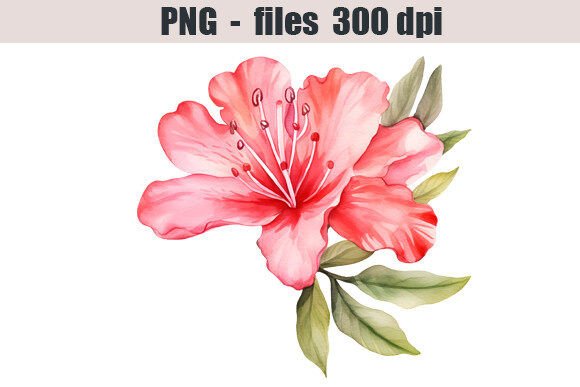
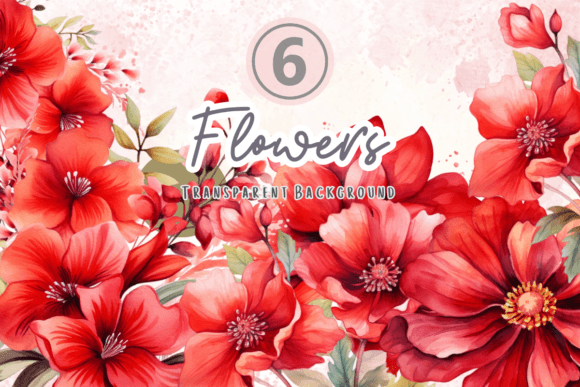
When evaluating a new graphic design asset for a client project, my first question is always about emotional resonance. Technical specs matter, but if the illustration does not evoke the right feeling, it fails the brand. Upon reviewing this Watercolor Red Flowers Clipart collection, the immediate impression is one of organic warmth and romantic sophistication. Unlike rigid vector art or overly saturated digital paintings, these illustrations possess a delicate transparency and pigment variation that mimics traditional media. For a recent boutique skincare client rebranding their Valentine’s Day line, this specific visual texture was exactly what was needed to bridge the gap between luxury and approachability. The red tones are not aggressive; they are nuanced, ranging from deep crimson to soft blush, making them versatile for both bold statements and subtle background textures.
Elevating Packaging and Product Labels
In the context of packaging design, high-resolution PNG design files are non-negotiable. I tested these watercolor elements on a matte cream label mockup, and the results were striking. The natural edges of the petals allowed for seamless integration with serif typography, creating a cohesive brand identity that felt handmade yet professional. For small business branding, particularly in the beauty, wellness, or artisan food sectors, this clipart serves as an excellent anchor for product labels. However, designers must be mindful of ink density. Because watercolor relies on luminosity, printing on dark stock requires careful opacity adjustments or a white underbase to maintain vibrancy. When used correctly on light substrates, these illustrations add a tactile quality that flat digital graphics simply cannot achieve, enhancing the perceived value of the physical product.
Social Media Graphics and Digital Campaigns
Digital applications require a different set of considerations. While preparing Instagram posts and Pinterest pins for a seasonal campaign, I found that these illustrations perform exceptionally well as framing devices. The organic shapes guide the viewer's eye toward the center text without competing for attention. This is crucial for maintaining visual hierarchy in marketing visuals. For content creators and social media managers, the ability to layer these flowers behind headlines or use them as corner accents adds polish to Canva templates without requiring advanced illustration skills. The key here is restraint. In web design and digital ads, negative space is your friend. Overcrowding the layout with too many floral elements can reduce readability and make the design feel cluttered. Use single stems or small clusters to create rhythm rather than filling every pixel.
Considerations for Print-on-Demand and Merchandise
For sellers on Etsy or those managing print-on-demand businesses, versatility is king. I evaluated this Watercolor Red Flowers Clipart specifically for sublimation design and apparel applications. On t-shirt design mockups, the watercolor texture translates beautifully to direct-to-garment printing, provided the file resolution is at least 300 DPI. The soft edges blend naturally into fabric textures, avoiding the "sticker sheet" look that plagues amateur merchandise. However, for Cricut projects involving vinyl cutting, users should exercise caution. True watercolor is raster-based and lacks the clean paths required for cutting machines. If you intend to use this for sticker design or iron-on vinyl, verify if the design bundle includes SVG design versions with simplified contours. Without vectorized outlines, attempting to cut complex watercolor edges will result in frustration and wasted material.
Where This Asset Shines Versus Where to Pause
Understanding the strengths and limitations of any creative design asset prevents costly revisions. These illustrations excel in large layout areas, hero graphics for websites, and decorative accents for invitations or editorial design. They bring life to minimalist layouts and provide necessary softness to feminine or nature-focused brands. Conversely, I would advise against using this specific clipart for highly technical corporate materials, financial reports, or ultra-modern tech branding where precision and geometry signal trust. Additionally, avoid placing detailed watercolor flowers over busy photographic backgrounds; the lack of hard contrast causes the illustration to disappear. These assets demand breathing room. They work best when treated as primary focal points or intentional supporting elements, not as filler noise.
Technical Due Diligence for Commercial Projects
Before committing this Watercolor Red Flowers Clipart to a paid client deliverable, rigorous testing is mandatory. Professionalism lies in the details that clients never see but always feel. Start by converting the artwork to grayscale. Does the composition still hold up without color? If the values flatten into a muddy gray mess, the illustration lacks structural integrity and may fail in single-color print applications like embossing or foil stamping. Next, inspect the PNG transparency. Zoom in to 400% and check for jagged edges or residual white halos around the petals. These artifacts are unprofessional and difficult to fix mid-production. If the asset is part of a larger design bundle, compare the color consistency across different files to ensure they belong to the same artistic series.
Typography Pairing and Licensing Verification
The success of floral illustrations often hinges on font selection. During my review, I paired these red flowers with various typefaces to gauge compatibility. High-contrast serif fonts reinforce the classic, romantic aesthetic, while clean sans-serif options modernize the look for contemporary brands. Handwritten scripts can work but risk becoming illegible if placed directly over detailed petal areas; always prioritize readability over decoration. Finally, and most critically, verify the commercial license. Just because an asset is available on a creative marketplace does not mean it covers your specific use case. Check whether the license permits client work, print-on-demand resale, or digital template creation. Protecting your client and your business from copyright issues is just as important as the aesthetic quality of the final design. When vetted properly, this Watercolor Red Flowers Clipart proves to be a robust, emotionally resonant tool for designers seeking to add authentic botanical beauty to their commercial portfolio.