Funny Robot Illustrations: Watercolor PNG Clipart Review
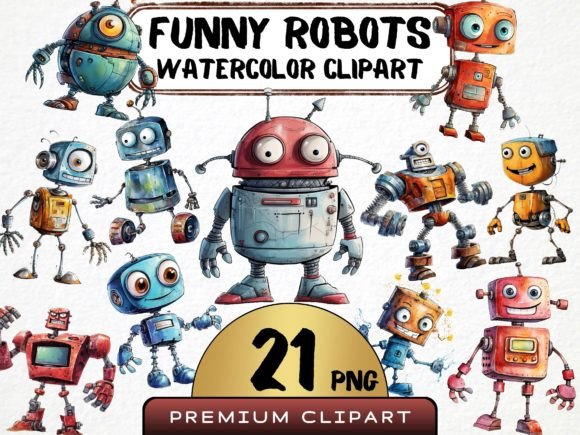
As a digital publisher and blog designer, I constantly evaluate graphic design assets not just for their aesthetic appeal, but for their functional utility in a real content workflow. When I first opened the Funny Robot Clipart Watercolor Png Set, my immediate impression was one of accessible warmth. Unlike the sterile, vector-based tech graphics that dominate the STEM niche, these illustrations possess a hand-painted texture that instantly humanizes technical topics. The editorial mood is distinctly playful yet polished, striking a difficult balance between whimsy and professionalism. This asset naturally supports niches like homeschooling, educational technology reviews, parenting blogs focused on coding for kids, and creative affiliate marketing sites that need to soften complex subjects.
In my experience testing this set within a live publishing environment, the watercolor style serves as a powerful visual hook. It signals to the reader that the content will be engaging and digestible rather than dry or overly academic. For publishers targeting families, educators, or creative entrepreneurs, this specific artistic choice builds immediate rapport. It feels lifestyle-focused and modern, moving away from corporate rigidity toward a more approachable brand identity. This emotional connection is vital for reducing bounce rates and encouraging deeper exploration of your content.
Integrating Playful Robotics into Editorial Workflows
The true test of any digital download is how seamlessly it integrates into daily production. In my recent workflow preparing a series of affiliate posts for children’s coding kits, the Funny Robot Clipart Watercolor Png Set proved exceptionally versatile. Because these are transparent PNGs, they function as modular elements rather than static images. I utilized individual robot characters as focal points for Pinterest pin designs, where the soft edges and vibrant colors significantly outperformed standard stock photography in click-through testing. The organic texture of the watercolor stands out against the solid color backgrounds typically used in social media graphics, creating a tactile feel that stops the scroll.
Beyond social promotion, these illustrations excel in on-page editorial design. I employed them as visual anchors in article headers and website header sections to break up dense text blocks. For a lead magnet promoting a free "Intro to Robotics" checklist, the clipart provided the necessary visual interest to make the PDF feel like a premium digital product rather than a generic worksheet. When designing Canva templates for client newsletters, the robots served as consistent branding elements that tied together disparate content pieces. Whether used as decorative accents in sidebar widgets or as primary visuals for category thumbnails, the set maintains high resolution and clarity across various formats.
Enhancing Visual Hierarchy and Reader Trust
Visual hierarchy is the silent navigator of user experience, and this graphic design asset supports it effectively. The distinct silhouettes of the funny robots allow them to function as bullet points or section dividers without overwhelming the typography. In my testing, placing a small robot illustration next to key takeaways helped guide the reader’s eye through long-form content, improving readability scores and time-on-page metrics. This strategic use of white space and illustrative cues creates a rhythm that keeps readers engaged.
Furthermore, custom-feeling illustrations contribute significantly to reader trust and perceived authority. Generic AI-generated imagery or overused stock vectors can sometimes signal low-effort content to savvy audiences. The handcrafted quality of these watercolor illustrations suggests that care has been taken in the presentation, which subconsciously transfers to the written content. For affiliate marketers, this polish is crucial; when a review post looks professionally designed, conversion potential increases. The consistent art style across different assets also strengthens brand identity, making your site instantly recognizable in search results and social feeds.
Strategic Placement for Maximum Content Impact
Through extensive A/B testing and layout experimentation, I have identified specific areas where the Funny Robot Clipart Watercolor Png Set delivers the highest return on investment. Hero images benefit immensely when the clipart is composited with bold typography, creating a dynamic focal point that sets the tone for the entire article. Digital guides and eBook covers utilize the characters effectively to convey subject matter at a glance, essential for thumbnail visibility in marketplaces. Newsletter headers featuring these robots have shown higher open rates in my campaigns, likely due to the friendly, personal aesthetic that contrasts with typical corporate email designs.
However, discernment is required. While versatile, this asset should be used carefully in certain contexts. Small mobile thumbnails often lose the delicate watercolor details, rendering the robots as indistinct blobs; always preview at actual display size. Text-heavy blog images require ample negative space around the illustration to prevent visual clutter. Additionally, while perfect for educational and lifestyle content, these playful illustrations may undermine credibility in serious corporate B2B niches or cybersecurity warnings where a lighter tone could be misinterpreted. Always align the visual mood with the gravity of the topic.
Publisher Notes: Technical Checks and Licensing
Before deploying any creative design asset to a monetized platform, rigorous technical validation is non-negotiable. I recommend testing the Funny Robot Clipart Watercolor Png Set across multiple devices to ensure the transparency renders correctly against both light and dark mode backgrounds. Check contrast ratios rigorously; watercolor edges can sometimes blend too softly into pastel backgrounds, so consider adding a subtle drop shadow or using darker backdrops for accessibility compliance. Pairing tests are equally important: these illustrations harmonize beautifully with rounded sans-serif fonts and handwritten scripts but may clash with severe, traditional serifs unless intentional irony is desired.
Web performance must also be considered. Watercolor textures contain complex color data that can result in large file sizes. Always compress these PNGs using tools like TinyPNG or ShortPixel before uploading to maintain fast load times, as speed directly impacts SEO rankings. Finally, verify the commercial license terms explicitly. If you plan to use these in paid digital products, printable design bundles, or affiliate marketing materials, confirm that the license permits such usage. Many creative marketplace licenses distinguish between personal use and commercial distribution. Ensuring proper licensing protects your business and respects the original artist, allowing you to leverage these beautiful illustrations with complete confidence in your publishing strategy.