Cute Dabbing Cow Watercolor: An Embroidery Review
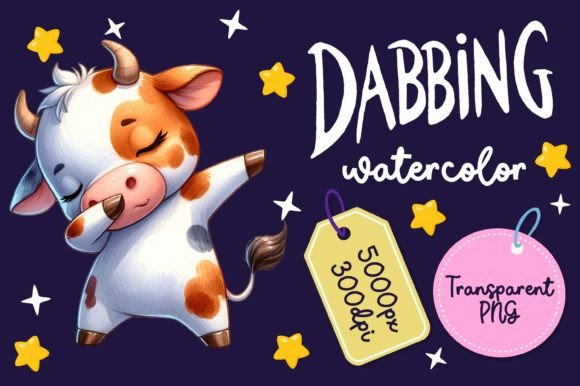
As a professional embroidery designer and product reviewer, I approach every new digital asset with a critical eye. When evaluating the Cute Dabbing Cow Watercolor machine embroidery design, my primary concern is not just how charming the illustration looks on a screen, but how it translates into physical thread on fabric. This specific design sits at an interesting intersection of internet meme culture and soft, traditional watercolor aesthetics. For craft business owners, Etsy sellers, and makers, understanding this balance is crucial for creating a finished product that feels intentional rather than novelty.
My first impression of this design is its surprising versatility. While "dabbing" suggests a high-energy trend, the watercolor style softens the gesture, making it appropriate for a wider demographic than typical meme merchandise. The visual personality is playful yet gentle, which immediately signals to me that this embroidery file belongs in the nursery, children’s apparel, or lighthearted gift categories rather than edgy streetwear. The layout appears balanced, suggesting the digitizer has considered center of gravity, which is vital when hooping stretchy fabrics like jersey knits or fleece.
Real-World Application: Stitching a Toddler Sweatshirt
To truly evaluate this design, I mentally placed it in a real-life production scenario: creating a custom embroidered sweatshirt for a toddler’s birthday party. This is a common request for small shop products and personalized gifts. In this context, the Cute Dabbing Cow Watercolor needs to perform under specific constraints. Toddler apparel requires softness against the skin and durability through frequent washing.
When reviewing the stitch pathing for this type of project, I look for how the watercolor effect is achieved. True watercolor embroidery relies heavily on varying stitch density and thread color blending. If the design uses excessive satin stitch borders to define the cow’s shape, it could create a stiff, cardboard-like texture on a soft sweatshirt. Ideally, this design should utilize running stitches and light fill stitches to mimic the bleeding edges of watercolor paint. For a handmade product intended for a child, the back of the embroidery must be as smooth as the front. I would recommend testing this design using a cut-away stabilizer to prevent puckering on the knit fabric, ensuring the dabbing pose remains crisp without distorting the garment's drape.
Best Use Cases for Commercial and Personal Projects
Beyond toddler wear, this illustration offers significant value for various commercial embroidery projects. The whimsical nature of the dabbing cow makes it an excellent candidate for:
- Nursery Decor: Pillow covers and wall hangings where the watercolor aesthetic complements pastel room themes.
- Baby Shower Gifts: Bibs, blankets, and burp cloths where the humor appeals to millennial parents while remaining baby-appropriate.
- Tote Bag Designs: Canvas tote bags benefit from this design because the stable fabric supports detailed stitch work without distortion.
- Holiday Embroidery: With minor customization or pairing with seasonal text, this cow can transition into Christmas or Easter merchandise for farm-themed celebrations.
- Digital Product Previews: For those selling print-on-demand or digital assets, the distinct silhouette creates clear, recognizable printable mockups that drive buyer engagement.
For Etsy sellers and creative entrepreneurs, this design bridges the gap between niche internet humor and broad-market appeal. It allows you to offer something unique that stands out in search results against generic farm animal clipart, potentially increasing customer trust through originality.
Technical Considerations and Fabric Limitations
Despite its charm, the Cute Dabbing Cow Watercolor requires careful placement. Not every substrate is suitable for watercolor-style digitizing. As an experienced reviewer, I advise caution when applying this design to the following:
- High-Pile Fabrics: Terry cloth towels or plush minky can swallow the subtle shading stitches characteristic of watercolor embroidery. The detail may get lost, leaving only a vague outline.
- Curved Surfaces: If attempting this on caps or hats, verify the hoop size and design dimensions. The horizontal spread of a dabbing pose often exceeds standard cap frames, leading to registration errors.
- Dark Fabrics: Watercolor designs typically rely on lighter thread colors to simulate transparency. On black or navy fabric, the design may require a white underlay base, which significantly increases stitch count and density, potentially altering the soft hand-feel of the embroidery.
- Sheer Materials: Organza or lightweight linen may struggle to support the fill stitches without heavy stabilizer, which defeats the purpose of using delicate fabric.
Always check the specific embroidery file specifications before purchase. Confirm whether the design includes applique options, as this can reduce stitch density and improve washability on items like aprons or tea towels. Never assume compatibility; always verify the format matches your machine and the size fits your intended hoop.
Impact on Brand Value and Customer Perception
In the competitive landscape of handmade products and boutique branding, presentation is everything. Using a well-digitized version of Cute Dabbing Cow Watercolor signals professionalism. Buyers are increasingly savvy; they can distinguish between a flat, poorly converted image and a thoughtfully digitized embroidery design. When the stitch direction follows the flow of the illustrated fur and the color transitions are smooth, the perceived value of the finished product increases.
This attention to detail fosters brand consistency. If you are building a shop around modern farmhouse or whimsical nursery themes, this design acts as a cohesive anchor. However, if the stitching is sloppy or the stabilizer choice was incorrect, resulting in puckered fabric, it damages customer trust regardless of how cute the source art is. Professionalism in embroidery is defined by execution, not just concept.
Essential Designer Notes Before You Stitch
Before loading this design into your machine for a client order or inventory batch, adhere to these practical protocols:
- Test on Scrap Fabric First: Never run a new design directly on a final product. Test on a scrap of the exact material you intend to use to gauge tension and stabilizer needs.
- Review Thread Color Contrast: Watercolor effects depend on subtle shade variations. Ensure your thread palette matches the digitizer’s intent; substituting colors arbitrarily can flatten the 3D effect.
- Check Licensing Terms: Verify whether the license permits commercial use on finished products versus digital resale. Protect your business by respecting intellectual property rights.
- Inspect Small Details: Zoom in on the embroidery file to check for tiny jump stitches or overly dense areas that might cause needle breaks or fabric perforation.
- Mockup Testing: Create both light and dark background mockups to see how the design reads visually before committing thread to fabric.
The Cute Dabbing Cow Watercolor is more than just a trendy graphic; it is a test of technical skill and market awareness. When executed correctly on the right custom apparel or personalized gift, it delivers delight and quality. Approach it with the respect due to any complex embroidery project, and it will serve as a valuable asset in your creative toolkit. Always prioritize the integrity of the stitch-out over the speed of production, and your customers will recognize the difference in every handmade piece you create.