Cute Dabbing Monkey Watercolor: An Embroidery Review
As a professional embroidery designer and product reviewer, I approach every new machine embroidery design with a healthy dose of skepticism. The digital preview often looks flawless, but the true test lies in how the embroidery file translates through the needle and onto actual fabric. When evaluating the Cute Dabbing Monkey Watercolor design, my primary focus is not just on its visual charm, but on its structural integrity for real-world production. This review breaks down my practical assessment of this illustration for fellow makers, Etsy sellers, and apparel decorators who need to know if this asset can withstand the rigors of commercial stitching and customer expectations.
First Impressions and Visual Translation
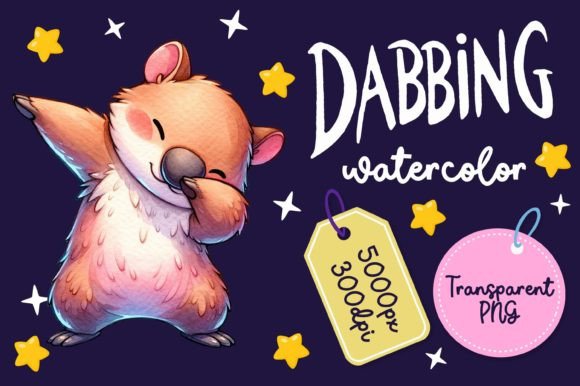
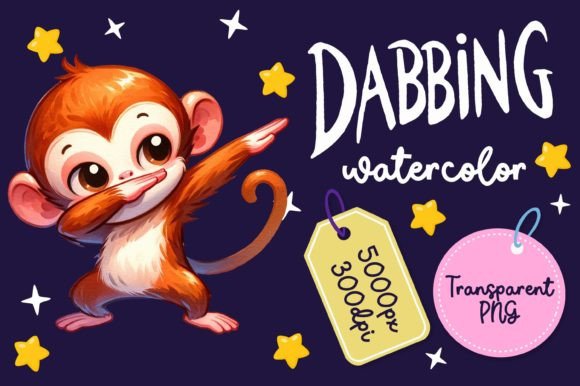
Upon opening the digital embroidery file, the immediate appeal of the Cute Dabbing Monkey Watercolor is evident. It captures a playful, modern aesthetic that bridges the gap between nursery whimsy and Gen Z humor. However, as an experienced digitizer, I am looking past the cute factor to analyze the stitch architecture. Watercolor-style illustrations present unique challenges in machine embroidery because they rely on color blending and soft edges that do not naturally exist in thread.
In this specific design, the transition from the artistic rendering to stitch data appears thoughtful. The design utilizes a mix of fill stitch and satin stitch elements to mimic the painterly effect without creating excessive bulk. For a crafter or small business owner, this balance is critical. A design that is too dense will cause puckering on lighter fabrics, while one that is too sparse will look unfinished. This particular artwork seems to hit a sweet spot, offering enough coverage to be vibrant while remaining pliable enough for comfortable wearables. The personality of the dabbing pose reads clearly even at smaller sizes, which is essential for versatility across different products.
Real-World Application: The Toddler Sweatshirt Test
To truly evaluate this asset, I mentally placed it in a specific production scenario: creating a custom embroidered sweatshirt for a toddler’s birthday party. This is a high-stakes project where comfort, durability, and visual impact must coexist. In this context, the Cute Dabbing Monkey Watercolor performs exceptionally well as a center chest placement.
For this custom apparel project, the design’s dimensions allow for adequate breathing room around the graphic, preventing the stiff "bulletproof vest" effect that occurs with overly large, dense embroideries. The watercolor aesthetic pairs beautifully with heathered cotton blends and French terry fabrics commonly used in children's wear. As an Etsy seller or boutique owner, you can market this finished product effectively because the design feels handmade rather than mass-produced. The playful nature of the monkey invites engagement, making it a strong candidate for social media content and printable mockups that drive sales.
Furthermore, this design serves as an excellent base for a personalized gift. The negative space around the central figure allows for the addition of a name or date using a complementary font. Because the monkey’s posture is dynamic yet contained, adding text below or above does not disrupt the visual hierarchy. This flexibility increases the perceived value of the handmade product, allowing you to charge a premium for customization without needing to purchase additional assets.
Navigating Fabric Limitations and Stabilization
While the Cute Dabbing Monkey Watercolor is versatile, it requires careful consideration regarding substrate choice. Not all fabrics are created equal, and understanding where this design might fail is just as important as knowing where it succeeds.
- Textured Fabrics: On highly textured surfaces like terry cloth towels or boucle, the finer details of the watercolor shading may get lost. If using this for a tote bag design or kitchen towel, consider increasing the underlay or simplifying the background elements to ensure the monkey pops against the fabric grain.
- Stretchy Knits: For baby onesies or ribbed knits, proper stabilization is non-negotiable. The varying stitch density in watercolor designs can distort stretchy fabric if not supported by a cut-away stabilizer and potentially a topping to prevent stitches from sinking into the pile.
- Dark vs. Light Backgrounds: Watercolor embroidery often relies on the fabric showing through to create depth. Always test this design on both white and dark fabrics. You may need to add a white underlay base when stitching on dark garments to maintain the intended color vibrancy and contrast.
- Curved Surfaces: Be cautious when placing this on caps or curved sleeves. The horizontal span of a dabbing pose can warp on a curved surface. Always use a cap-specific hoop and verify the design fits within the safe stitch area before committing to a production run.
Commercial Viability and Brand Consistency
For creative entrepreneurs and craft business owners, consistency builds trust. Using the Cute Dabbing Monkey Watercolor as part of a cohesive collection can strengthen your brand identity. Because this falls under the Illustrations category, it likely pairs well with other watercolor animals or botanical elements from the same designer. Creating themed bundles—such as a "Jungle Nursery" line or a "Playful Kids" series—encourages repeat purchases and higher average order values.
When listing finished items, such as an embroidered patch or holiday ornament, highlight the artistic quality of the stitch-out. Customers appreciate knowing that the design was chosen for its aesthetic merit, not just its trendiness. However, always verify the licensing terms included with your embroidery file. Ensure you have the rights to sell physical goods featuring this design, especially if you plan to scale up production or sell at craft fairs. Respecting intellectual property protects your business reputation and ensures long-term sustainability.
Essential Designer Notes for Success
Before loading this design into your machine for a client order or shop inventory, adhere to these professional best practices to ensure a flawless result:
- Test Stitch First: Never skip the test run. Use a scrap of the exact fabric you intend to use for the final project. Check for registration issues, thread breaks, or excessive pulling.
- Verify Hoop Size: Confirm the design dimensions fit comfortably within your hoop with at least 10mm of clearance. Crowding the hoop leads to tension issues and poor stitch quality.
- Thread Color Matching: Watercolor effects depend heavily on accurate thread colors. Compare the designer’s color chart to your physical thread stash. Subtle shade variations can drastically change the mood of the illustration.
- Check Small Details: Inspect any facial features or extremities. If resizing the design significantly smaller, these areas may become indistinguishable. Edit out tiny elements if necessary to maintain clarity.
- Mockup Validation: Create black and white mockups alongside color versions. This helps identify whether the design relies too heavily on color contrast or if the tonal values hold up independently, which is crucial for accessibility and print marketing.
The Cute Dabbing Monkey Watercolor represents a solid investment for embroiderers seeking a balance of trend-awareness and technical reliability. By treating this design asset with professional scrutiny and adapting your technique to suit the specific application, you can transform a digital illustration into a tangible, high-quality product that delights customers and elevates your portfolio. Whether you are crafting a baby embroidery keepsake or stocking your online shop with unique apparel, this design offers the creative potential to make your work stand out in a crowded marketplace.