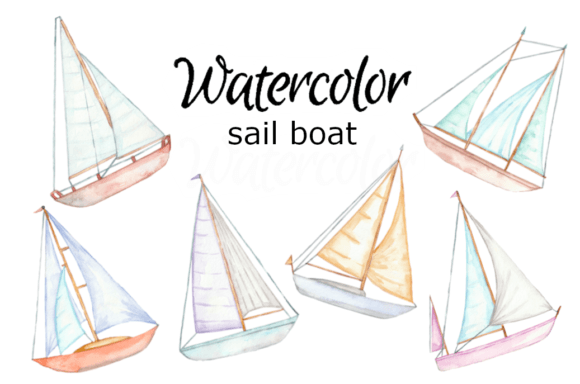
Hand Drawn Watercolor Clip Art for Embroidery
As a designer who spends more time behind an embroidery machine than a computer screen, I approach digital assets with a healthy dose of skepticism. When evaluating Hand Drawn Watercolor Clip Art for potential translation into thread, my first question is never about how pretty it looks on a monitor. My question is always: will this survive the transition from pixel to stitch? Watercolor illustrations possess a fluidity and softness that can be notoriously difficult to replicate in embroidery, where precision and structure usually reign supreme. However, when selected and digitized correctly, these organic designs offer a unique aesthetic that rigid vector art simply cannot match.
In reviewing this specific collection of hand drawn watercolor clip art, I am looking at its viability as a foundation for commercial and personal embroidery projects. The charm here lies in the imperfection—the brush strokes, the color bleeds, and the artistic texture. For makers and Etsy sellers, this style signals "handmade" and "boutique" far more effectively than standard stock vectors. But translating that painterly mood into a tangible finished product requires understanding both the art and the mechanics of needlework.
Evaluating Organic Flow for Real-World Stitching
My immediate impression of this artwork is its suitability for projects that demand warmth rather than corporate precision. Unlike geometric logos or block lettering, hand drawn watercolor clip art carries an emotional weight. Visually, the shapes feel approachable and nostalgic. This makes them ideal candidates for baby embroidery, nursery decor, wedding gifts, and personalized keepsakes. The soft edges and blended tones suggest a gentler touch, which aligns perfectly with items meant to be cherished rather than merely used.
From a technical standpoint, the irregular lines of watercolor illustrations actually serve a functional purpose in embroidery. Perfectly straight satin stitches can sometimes look stiff or industrial on casual garments. The natural variation in hand drawn art allows for running stitches and fill stitches that mimic the original brushwork without requiring mathematical perfection. When I visualize this on a custom embroidered tote bag or a linen tea towel, I see the design complementing the fabric's weave rather than fighting against it. The artwork doesn't demand high-gloss rayon threads; instead, it invites matte cotton or variegated threads that enhance the watercolor illusion.
A Case Study: The Custom Sweatshirt Project
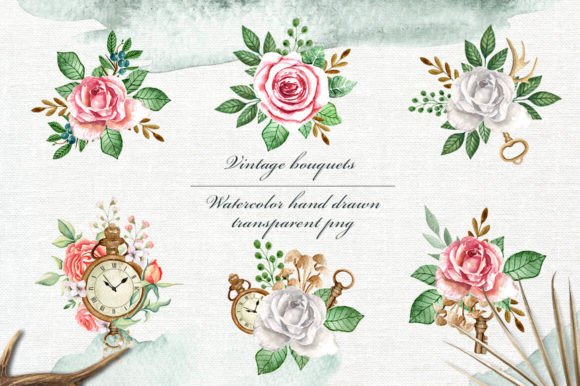
To truly test the utility of this clip art, I mentally placed it onto a current best-seller in my shop: a heavyweight French terry sweatshirt. A client requested a botanical motif that felt vintage but not dated. Standard vector flowers looked too graphic, while realistic digitized photos were too heavy and dense for comfortable wear.
This is where the hand drawn watercolor clip art excelled. Because the source art relies on shape and color suggestion rather than intricate line work, the resulting machine embroidery design could be kept lighter. I envisioned using a combination of light fill stitches for the wash areas and delicate running stitches for the stems. On a textured fleece fabric, the slight sinking of the stitches actually enhanced the watercolor effect, making the colors appear to emerge from the garment rather than sit on top of it. For an Etsy seller or small shop owner, this distinction matters. It elevates a basic apparel item into a piece of wearable art, justifying a higher price point and fostering customer trust through perceived quality.
Navigating Fabric Limitations and Hoop Constraints
While the aesthetic versatility of these illustrations is high, practical application requires caution. Hand drawn watercolor clip art often features subtle gradients and fine details that do not translate universally across all substrates. As an experienced reviewer, I must emphasize that context is everything.
- Textured and Stretchy Fabrics: Watercolor effects rely on color placement. On high-pile fabrics like terry cloth or fleece, you risk losing the delicate transitions unless you use a water-soluble topping. On stretchy knits, ensure your stabilizer choice prevents distortion, as warped gradients look muddy rather than artistic.
- Small Hoop Sizes: Reducing complex watercolor art to fit a 4x4 hoop can destroy the integrity of the design. Fine brush strokes may turn into indistinguishable blobs if scaled down too aggressively. Always check the minimum recommended size before purchasing a digital embroidery file.
- Dark vs. Light Backgrounds: Traditional watercolor is translucent. If stitching on dark fabric, you will likely need to add a white underlay or base layer to make the colors pop. Without this, the design may disappear into the garment. Conversely, on white fabric, the design should remain airy; excessive underlay will create a bulletproof patch effect that ruins the drape.
- Curved Surfaces: Be wary of using large, sprawling watercolor compositions on caps or curved sleeves. The distortion inherent in hooping curved items can stretch the organic shapes unnaturally. Opt for centered, compact versions of the clip art for headwear.
Commercial Viability and Brand Consistency
For creative entrepreneurs and apparel decorators, consistency builds brand recognition. Hand drawn watercolor clip art offers a distinct visual language that can unify a diverse product line. Whether applied to holiday embroidery on stockings, spring collections on baby onesies, or summer market goods on canvas bags, the cohesive artistic style ties disparate products together.
However, professional presentation extends beyond the stitch-out. When creating printable mockups or listing photos for digital products, ensure the digital representation matches the physical reality. Customers feel deceived if the online image shows crisp digital paint but receives a chunky, over-dense embroidery. Use these illustrations to create honest previews. If you are selling the embroidery file itself, provide clear notes on thread colors and density. If you are selling the physical handmade product, photograph the texture. Show the buyer how the thread interacts with the fabric. This transparency reduces returns and increases buyer engagement because the customer knows exactly what they are investing in.
Essential Designer Notes for Successful Implementation
Before committing this hand drawn watercolor clip art to a production run or final gift, adhere to these professional best practices:
- Test Stitch is Non-Negotiable: Never assume a digitized watercolor design is ready-to-run. Stitch a sample on scrap fabric identical to your final project. Check for gaps between fill areas and verify that the running stitch outlines align with the color fills.
- Analyze Stitch Density: Watercolor implies lightness. If the design feels heavy or stiff during your test, the density is too high. Edit the file to reduce overlap or switch to tatami fills with longer stitch lengths to maintain fabric drape.
- Thread Color Validation: Screen colors differ from thread charts. Physically compare your thread palette to the clip art. Sometimes, using a slightly darker shade for the outline helps define shapes that might otherwise get lost in the fill.
- Licensing Verification: Before selling finished items or incorporating these assets into commercial embroidery projects, confirm the license terms. Ensure you have the right to use the art for merchandise, not just personal crafting.
- Fabric Pairing Strategy: Match the medium to the message. Use natural fibers like cotton, linen, or bamboo for watercolor designs to enhance the organic feel. Avoid shiny polyester fabrics unless aiming for a specific modern contrast.
Ultimately, hand drawn watercolor clip art represents a beautiful intersection of traditional artistry and modern fabrication. It challenges us to think less like machines and more like painters. By respecting the limitations of the medium and leveraging the unique strengths of this artistic style, makers can produce work that feels genuinely human. Whether you are crafting a personalized gift for a loved one or scaling a boutique apparel line, let the art guide your needle, but let your technical expertise ensure it lasts.