Sail Boat Watercolor Clipart: An Embroidery Review
As a designer who spends just as much time behind an embroidery machine as I do at a computer screen, I approach digital assets with a specific question: will this actually stitch out well? When evaluating Sail Boat Watercolor Clipart for real-world production, my focus shifts from pure aesthetics to structural integrity. Watercolor illustrations are beautiful on screen, but translating that soft, blended artistic style into thread requires careful consideration. This review breaks down how this specific sail boat illustration performs when moved from a digital file to a tangible handmade product.
First Impressions and Artistic Translation
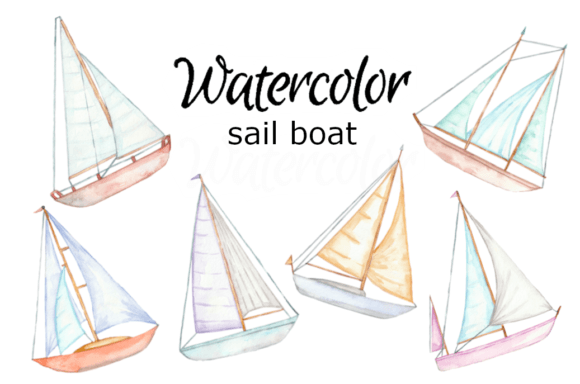
My initial reaction to this Sail Boat Watercolor Clipart is that it captures a nostalgic, breezy mood perfect for summer collections or nursery themes. The visual personality is soft and organic, avoiding the rigid, cartoonish look that plagues many nautical designs. However, as an embroiderer, I immediately look at the edges. Watercolor art often features bleeding colors and undefined borders. For a machine embroidery design, this means we must determine if the digitizer has used running stitches to mimic the watercolor edge or if they have opted for a clean satin stitch border to contain the fill.
The layout feels balanced, which is crucial for centering in a hoop. The shape of the sail and hull provides a natural frame, making it an excellent candidate for monogram integration or personalized text below. It does not feel top-heavy, suggesting it will sit flat on garments without pulling. This balance is vital when creating custom apparel where fabric distortion can ruin the professional finish of a garment.
Real-World Application: The Tote Bag Test
To truly judge this asset, I mentally placed it in a current client project: a series of canvas tote bags for a coastal boutique. Canvas is a textured, unforgiving fabric that demands a design with enough presence to stand out but enough refinement to look expensive. In this scenario, the Sail Boat Watercolor Clipart serves as the focal point of a tote bag design.
For this application, the watercolor aesthetic adds perceived value. Customers associate the soft, painted look with high-end boutique merchandise rather than mass-produced goods. If stitching this onto unbleached canvas, I would recommend testing thread colors that are slightly more saturated than the digital preview suggests. Canvas absorbs light, and pastel threads can sometimes wash out against the natural fiber. Using a slightly darker navy for the hull or a deeper coral for the sails ensures the design retains its contrast and readability after stitching.
This design also translates beautifully to baby embroidery. The gentle nature of watercolor illustrations makes them ideal for onesies, bibs, and nursery pillows. Unlike bold, graphic logos, this style feels heirloom-quality. For a personalized gift like a baby blanket, the soft edges of the clipart blend harmoniously with minky or cotton fabrics, creating a soothing visual texture that parents appreciate.
Navigating Fabric Challenges and Hoop Limitations
While versatile, this embroidery file requires strategic placement. Watercolor-style digitizing often involves complex fill stitch patterns to simulate brush strokes. On stretchy fabrics like jersey knits used for t-shirts or sweatshirts, this density can cause puckering if not stabilized correctly. I always advise using a cut-away stabilizer and potentially a topping for knits to prevent the stitches from sinking into the fabric weave.
Be cautious when resizing. Detailed watercolor effects rely on specific stitch lengths and angles. Shrinking this design down for a small cap or pocket logo might result in lost detail or thread breaks. Always check the minimum recommended hoop size before attempting to scale down. Conversely, enlarging it significantly for a large pillow cover may reveal gaps in the fill or make the "brush stroke" effect look blocky. Verify the scalability within your embroidery software before committing to a large-format embroidery project.
Dark fabrics present another hurdle. Watercolor designs typically assume a white or light background to show transparency and blending. Stitching this directly onto black or navy fabric without a white underlay or appliqué base will likely result in muddy colors and poor definition. If you intend to use this for sweatshirt embroidery on dark garments, consider converting it into an applique design where the sailboat is stitched onto a white fabric piece first, then applied to the garment. This preserves the integrity of the original artwork.
Commercial Viability for Makers and Sellers
For Etsy sellers and small business owners, visual appeal drives clicks. This Sail Boat Watercolor Clipart offers strong potential for printable mockups and listing photos because the artistic style photographs well. It looks intentional and curated, helping to establish brand consistency across a shop’s inventory. Whether you are selling finished embroidered goods or digital embroidery files, the professional presentation of this design builds customer trust.
However, commercial success also depends on durability. If you are producing items for frequent washing, such as kitchen towels or children's clothing, inspect the stitch density. Loose, artistic fills may snag over time. Ensure the digitization includes adequate underlay to anchor the decorative stitches to the fabric. A beautiful design that falls apart after three washes will hurt your reputation as a maker of quality small shop products.
Essential Designer Notes Before Stitching
Before loading this design into your machine for a final product, run through this practical checklist to ensure success:
- Test on Scrap Fabric: Never stitch a new design directly onto a sellable item. Use a scrap of the exact fabric and stabilizer combination you plan to use for the final piece to check for registration issues or puckering.
- Verify Licensing: Confirm whether your purchase includes commercial rights for both physical products and digital resale. Terms vary significantly between designers, and assuming permission can lead to legal issues for your craft business.
- Check Thread Contrast: View the design in black and white within your software. If the values are too similar, the watercolor shading will be lost in thread. Adjust thread colors to maximize depth and dimension.
- Inspect Small Details: Zoom in to 100% to check for tiny jump stitches or overly dense areas that could break needles. Clean up any stray nodes before stitching.
- Mockup Testing: Create digital previews on both light and dark backgrounds to see how the design reads visually before listing it as a commercial embroidery option.
- Stabilizer Selection: Match the stabilizer weight to the fabric texture. Heavier canvas needs less support than delicate linen, but the watercolor fill style generally benefits from a stable foundation to maintain shape.
Ultimately, Sail Boat Watercolor Clipart is a valuable asset for makers who understand the interplay between digital art and thread mechanics. It bridges the gap between fine art and textile craft, offering a unique aesthetic that stands out in a market saturated with generic vector graphics. By respecting the technical requirements of translating watercolor to stitch, you can elevate your finished product from simple decoration to wearable art. Always prioritize testing and fabric compatibility, and this design will serve as a reliable staple in your creative toolkit for seasons to come.