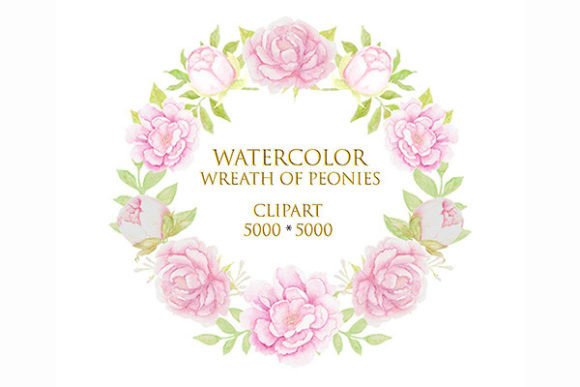
Watercolor Wreath Clipart: An Embroidery Review
As a designer who spends more time behind an embroidery machine than a computer screen, I approach digital assets with a healthy dose of skepticism. When evaluating a Watercolor, Clipart, Wreath, PNG for potential use in machine embroidery projects, my first question is never about how pretty it looks on a monitor. Instead, I ask whether those soft, blended pixels can actually translate into thread without looking muddy or losing their charm. This review breaks down the practical realities of using this specific illustration style for real-world handmade products, moving beyond the digital preview to assess stitchability and commercial viability.
Translating Soft Aesthetics to Thread
The immediate appeal of this Watercolor, Clipart, Wreath, PNG lies in its organic, hand-painted feel. For an embroidery designer, this aesthetic presents a unique challenge and opportunity. Unlike vector art with hard edges, watercolor illustrations rely on gradients and transparency that do not exist in standard embroidery digitizing. When I look at this wreath, I am mentally mapping out how to replicate that softness. A direct conversion often fails; instead, this design demands a thoughtful interpretation using specialized stitch types.
To capture the watercolor mood, I would avoid heavy satin stitch borders that create a rigid outline. Instead, I envision using running stitch or bean stitch outlines to maintain that sketchy, artistic vibe. The fill areas should utilize low-density fill stitches or cross-hatching to mimic the texture of paint on paper rather than a solid block of thread. This approach preserves the delicate nature of the original Illustrations category asset while ensuring the fabric does not become bulletproof. For crafters and Etsy sellers, understanding this translation is vital. You are selling a feeling, not just a graphic, and your stitch file must honor the source material's personality.
Real-World Application: The Custom Tote Bag Test
To truly evaluate this design, I applied it to a recent client request for personalized canvas tote bags intended as bridal party gifts. Canvas is a forgiving fabric, but it has enough texture that fine details can get lost. I chose this Watercolor, Clipart, Wreath, PNG specifically because its slightly imperfect, organic lines complement the natural weave of the cotton canvas better than a crisp, corporate logo ever could.
In this scenario, the wreath served as a frame for custom monograms. The test run revealed that the design’s open center was perfectly proportioned for three-letter monograms without requiring excessive resizing. However, I had to adjust the underlay. Because watercolor clipart often lacks defined boundaries, I added a light edge-run underlay to anchor the fabric before stitching the decorative top layers. The result was a boutique-quality finished product that looked intentional and high-end. For small shop owners and apparel decorators, this versatility makes the design a valuable asset. It bridges the gap between casual craft and professional merchandise, allowing you to offer personalized gifts that feel curated rather than generic.
Navigating Fabric Limitations and Hoop Constraints
While this wreath shines on stable fabrics like canvas, linen, and medium-weight cotton, it requires caution elsewhere. As an experienced reviewer, I must emphasize where this design might struggle. On stretchy knits used for sweatshirt embroidery or baby clothes, the organic shapes can distort if the stabilizer choice is incorrect. The lack of structural rigidity in the artwork means the fabric carries more of the load. Always use a high-quality cut-away stabilizer for knit garments to prevent the wreath from puckering or shifting after washing.
Hoop size is another critical consideration. Watercolor wreaths often feature subtle shading at the outer edges. If you attempt to shrink this design down to fit a 4x4 hoop for a patch or cap, those delicate peripheral details will likely turn into a dense, unrecognizable blob. Conversely, enlarging it too much for large pillow covers may expose gaps between stitch columns if the original digitizing wasn't optimized for scaling. Before committing to a production run, verify the recommended hoop size and physical dimensions. For curved surfaces like caps, the flat nature of this PNG illustration may require significant re-digitizing to account for the cylinder shape, otherwise, the circular wreath will appear oval when worn.
Commercial Value and Customer Perception
For creative entrepreneurs and digital product sellers, the value of this asset extends beyond a single project. In the competitive Etsy marketplace, visual consistency builds brand trust. Using a cohesive style of watercolor illustrations across your shop creates a recognizable signature. When customers see this wreath style on a tea towel, they instinctively know it will match the nursery decor or holiday gift tags you also offer.
However, professionalism hinges on execution. A poorly stitched watercolor design looks messy, whereas a well-executed one looks artisanal. When creating printable mockups for your listings, ensure the digital representation matches what the embroidery machine can actually produce. Misleading customers with a pristine digital PNG when the physical stitch-out is dense and stiff leads to returns and negative reviews. Use this Watercolor, Clipart, Wreath, PNG to elevate your perceived value, but only if you can deliver the tactile quality that justifies the price point of a premium handmade product.
Essential Pre-Stitch Checklist for Makers
Before loading this design into your machine or listing it as part of a commercial embroidery collection, run through these practical verification steps. These notes come from years of troubleshooting and refining designs for sale and personal use:
- Test on Scrap Fabric First: Never assume settings transfer perfectly. Stitch a sample on the exact fabric and stabilizer combination you intend to use for the final project.
- Audit Stitch Density: Check if the digitized version uses appropriate density for watercolor effects. Overly dense fills destroy the soft aesthetic and risk needle breaks.
- Verify Color Contrast: Watercolor relies on subtle tonal shifts. Test thread colors against both light and dark backgrounds to ensure the design remains visible and distinct.
- Inspect Small Details: Zoom in on the embroidery file to check for tiny jump stitches or isolated running stitches that may fray during wear or washing.
- Confirm Licensing Terms: Ensure your purchase includes rights for commercial embroidery if you plan to sell finished products or include the design in digital embroidery file bundles.
- Evaluate Washability: If making baby embroidery or kitchen towels, test wash the sample. Watercolor-style stitches can sometimes pull apart if not secured properly at the edges.
Final Thoughts on Design Integrity
This Watercolor, Clipart, Wreath, PNG offers a beautiful foundation for makers who understand the nuances of translating digital art into thread. It is not a plug-and-play solution for every fabric or every machine, but for those willing to respect the medium, it yields stunning results. Whether you are creating custom apparel, designing for a craft business, or simply making a heartfelt personalized gift, success lies in treating the illustration as a guide rather than a blueprint. By focusing on stitch texture, proper stabilization, and honest representation, you can transform this digital asset into a tangible piece of art that customers will cherish. Always prioritize the integrity of the finished product over the convenience of the file, and your embroidery work will stand out in a crowded market.