Watercolor Easter Ducklings Clipart: An Embroidery Review
As a professional embroidery designer and product reviewer, I approach every new digital asset with a critical eye. When evaluating Watercolor Easter Ducklings Clipart, my first thought isn't just about how cute the illustration is on a screen; it is about how those soft, blended watercolor edges will translate into thread on fabric. For makers, Etsy sellers, and apparel decorators, the gap between a beautiful digital illustration and a successful finished product can be wide. This review breaks down exactly how this specific clipart collection performs when moved from a digital file to a real-world embroidery project.
First Impressions: Soft Aesthetics Meet Stitch Reality
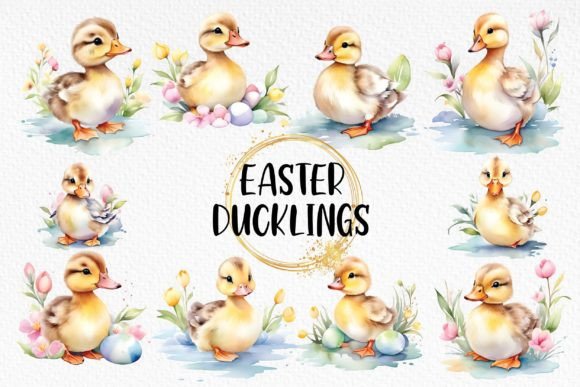
The immediate appeal of these Illustrations lies in their gentle, nostalgic mood. The ducklings possess a whimsical personality that feels perfect for spring collections, nursery decor, and baby gifts. However, as an experienced digitizer, I look at the color gradients and edge definition. Watercolor styles are inherently tricky for machine embroidery because they rely on soft transitions rather than hard outlines. In this collection, the visual weight is balanced well, but it demands respect during the digitizing or application phase.
If you are using this as a reference for custom digitizing or applying it as a sublimation base alongside embroidery, the layout is forgiving. The shapes are distinct enough to avoid muddiness, which is a common failure point in watercolor-style machine embroidery design files. For those using this clipart to create mockups or printable assets for a craft business, the resolution and clarity suggest high-quality source material that won't pixelate when scaled for marketing materials.
Real-World Application: The Custom Tote Bag Test
To truly evaluate this asset, I mentally placed it in a production scenario: creating a line of premium canvas tote bags for a boutique spring launch. Tote bags are a staple Etsy seller item, but they present unique challenges due to the coarse weave of canvas and the need for durability.
In this scenario, the Watercolor Easter Ducklings Clipart serves as the central focal point. Because tote bags often undergo heavy wear, I would avoid relying solely on delicate running stitch details to define the ducklings' feathers. Instead, I would recommend pairing this clipart with a solid applique design base or using a textured fill stitch that mimics the brushstroke effect without compromising structural integrity. The result is a tote bag design that retains the artistic watercolor feel while ensuring the image doesn't get lost in the fabric texture. Customers respond to this hybrid approach because it looks handmade and artistic, yet feels substantial and expensive.
Best Use Cases for Commercial and Personal Projects
Beyond totes, this clipart collection shines in specific niches where softness is a selling point:
- Baby Embroidery: The gentle aesthetic is ideal for onesies and bibs. However, ensure any accompanying embroidery file uses low-density fills to prevent stiff, scratchy results against sensitive skin.
- Nursery Decor: Pillow covers and wall hangings allow for larger hoop sizes, giving the watercolor details room to breathe without shrinking.
- Holiday Gifts: Personalized Easter baskets or tea towels benefit from the seasonal theme without feeling generic.
- Digital Product Previews: For sellers of design assets, these illustrations work beautifully in printable mockup templates to showcase potential colorways before stitching.
Navigating Fabric Limitations and Technical Risks
While versatile, Watercolor Easter Ducklings Clipart requires careful placement. Not all fabrics are friends with watercolor aesthetics. I advise extreme caution when attempting this style on highly textured fabrics like terry cloth or boucle. The intricate color blending typical of watercolor art gets swallowed by high-pile textures, resulting in a muddy, unrecognizable mess. Smooth cottons, linen blends, and stable poly-cottons are your safest bets for maintaining visual clarity.
Dark fabrics also pose a risk. Watercolor designs usually assume a white or light background to show transparency and shading. If you plan to stitch this on navy or black garments, you must account for a white underlay or base layer. Without it, the thread colors will sink into the dark fabric, losing the luminosity that defines the watercolor style. Always test on a scrap of the exact garment material first.
Furthermore, consider the hoop size. Shrinking complex watercolor illustrations to fit a 4x4 hoop often destroys the detail. If your machine only supports small hoops, select simpler elements from the clipart set rather than forcing a full composition. Overly dense stitching in a small area leads to puckering and needle breaks, especially on lightweight custom apparel.
Elevating Brand Value Through Thoughtful Execution
For small shop product lines and commercial embroidery businesses, consistency builds trust. Using high-quality source art like this signals professionalism. When a customer sees a crisp, well-executed interpretation of these ducklings on a sweatshirt embroidery project, they perceive higher value than they would with a standard, flat cartoon vector.
This distinction matters for pricing. A handmade product featuring artistic, painterly elements can often command a premium over mass-produced alternatives. However, this only holds true if the execution matches the source art's quality. Sloppy registration, poor stabilizer choices, or incorrect tension will make even the most beautiful clipart look amateurish. Your reputation as a maker hinges on respecting the complexity of the design.
Essential Designer Notes Before You Stitch
Before loading this design into your machine or listing a product derived from it, run through this practical checklist:
- Verify Licensing: Confirm whether the license allows for commercial use on finished goods or if it is restricted to personal projects. Never assume; check the specific terms provided with the digital embroidery file or clipart pack.
- Stabilizer Strategy: Watercolor styles often require variable density. Use a cut-away stabilizer for stretchy knits to prevent distortion, and a tear-away for stable wovens. Consider a water-soluble topping for textured fabrics to keep stitches visible.
- Contrast Check: View the design in grayscale. If the duckling disappears against the background in black and white, your thread contrast is insufficient. Adjust thread colors to ensure readability.
- Density Audit: If digitizing from this clipart, keep total stitch counts reasonable. Excessive density makes baby embroidery unwearable and causes bulk on collars and cuffs.
- Mockup Testing: Create a printable mockup or digital preview to visualize scale. Does the duckling look proportional on a toddler tee versus an adult sweatshirt? Adjust sizing digitally before wasting thread.
- Wash Test: If selling commercial embroidery items like kitchen towels or aprons, wash and dry a sample three times. Watercolor effects can sometimes degrade if the top thread isn't secured properly with adequate underlay.
Final Thoughts for Makers and Sellers
Watercolor Easter Ducklings Clipart offers a beautiful foundation for spring-themed creations, bridging the gap between digital art and tactile craft. Its success depends entirely on your technical awareness. By understanding how watercolor aesthetics interact with thread, fabric, and stabilizers, you can transform these lovely illustrations into profitable, professional-grade products. Whether you are crafting a personalized gift for a loved one or stocking your Etsy shop for the holiday rush, treat this clipart not just as a picture, but as a blueprint for quality embroidery. Respect the medium, test thoroughly, and let the soft charm of these ducklings elevate your next collection.