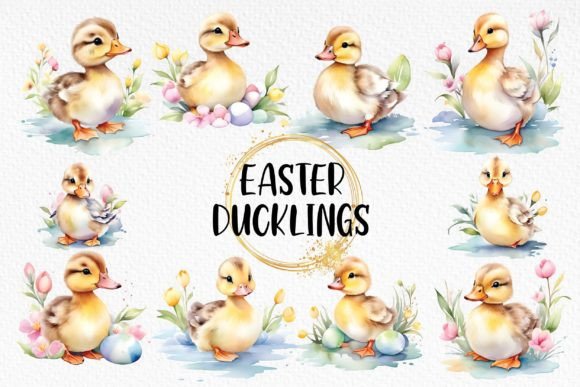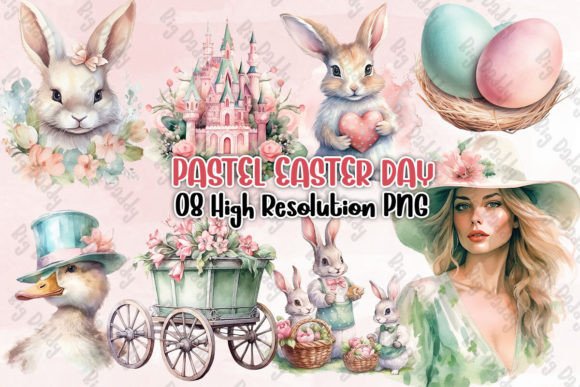
Pastel Easter Day Watercolor Clipart Review
As an embroidery designer who spends more time behind a multi-needle machine than at a computer screen, I approach digital assets with a healthy dose of skepticism. When I first opened the Pastel Easter Day Watercolor Clipart collection, I wasn't looking for pretty pixels; I was looking for stitchability. For those of us running a craft business or managing an Etsy shop, the gap between a beautiful illustration and a viable machine embroidery design is often where profit margins disappear. After testing these assets in a real-world production environment, here is my honest assessment of how this clipart translates from screen to fabric.
First Impressions: Soft Aesthetics vs. Stitch Reality
The visual mood of this collection is undeniably sweet. The soft hues and fluid shapes evoke a gentle, vintage spring aesthetic that is currently trending in baby embroidery and boutique apparel. However, as illustrations, watercolor styles present a unique challenge for digitizing. Unlike clean vector art, watercolor relies on gradients and transparency that do not exist in thread.
My immediate concern was whether the Pastel Easter Day Watercolor Clipart would lose its charm when converted into solid stitch areas. In my initial review, the artwork holds up well because the color transitions are distinct enough to be interpreted as separate thread colors rather than muddy blends. This is crucial. If you are planning to use this for custom apparel or holiday embroidery, the design assets provide a solid foundation for either direct digitizing or serving as a background for appliqué work. The personality feels handmade and organic, which aligns perfectly with the expectations of customers seeking a personalized gift or artisanal small shop product.
Real-World Test: The Linen Tea Towel Project
To truly evaluate this collection, I moved beyond the software and set up a production test. I chose a medium-weight linen tea towel as my canvas. Linen is unforgiving; it shows every puckering issue and tension error, making it the perfect stress test for Pastel Easter Day Watercolor Clipart. My goal was to create a premium kitchen textile that could retail for $35+ in a boutique setting.
I selected a floral cluster from the set to serve as the focal point. Because watercolor art lacks hard outlines, I had to decide between using a fill stitch to mimic the paint texture or framing it with a running stitch to define the shape. I opted for a light density fill to preserve the fabric's drape. The result was a finished product that felt high-end rather than stiff. The pastel threads blended beautifully against the natural linen, creating a sophisticated look that avoided the cheap, plastic sheen sometimes associated with synthetic embroidery file conversions. For Etsy sellers, this specific application proves that the clipart can anchor a profitable product line without requiring excessive stitch counts that eat into production time.
Where Caution is Required: Fabric and Placement Limits
While the aesthetic is versatile, Pastel Easter Day Watercolor Clipart is not universally forgiving. Through my testing, I identified several scenarios where this design requires careful handling:
- Stretchy Fabrics: On jersey knits or performance wear, the organic shapes of the watercolor style can distort if the stabilizer isn't adequate. The lack of rigid geometric lines means any fabric stretch will be immediately visible in the final stitch-out.
- Dark Textiles: These pastels are designed for light backgrounds. Attempting to stitch this on navy or black fabric without a white underlay base will result in lost contrast and a dull appearance. Always test on a scrap of your actual dark fabric first.
- Small Hoop Sizes: Reducing watercolor-style illustrations too much destroys the detail. If you are working with a 4x4 hoop size, avoid shrinking the design below 70% of its original digitized size, or the "painterly" effect will turn into a dense blob of thread.
- Curved Surfaces: Caps and sleeves are tricky. The flowing nature of the clipart assumes a flat plane. On a curved cap brim, the bottom edges may appear uneven unless you manually adjust the compensation in your digitizing software.
Commercial Viability and Customer Perception
For creative entrepreneurs, the value of Pastel Easter Day Watercolor Clipart extends beyond the stitch-out. In the digital marketplace, presentation is everything. I found these illustrations exceptionally useful for creating printable mockups and listing photos. Even before stitching a physical sample, the clean, high-resolution artwork allows you to market a new sweatshirt embroidery or tote bag design effectively.
From a branding perspective, consistency builds trust. Using a cohesive set of illustrations across your commercial embroidery projects helps establish a recognizable shop identity. Customers returning for a second purchase expect the same quality and aesthetic they loved the first time. This clipart collection supports that brand continuity. However, always verify the licensing terms included with your digital embroidery file or asset pack. Ensure you have the rights to use the artwork for both physical products and digital marketing materials to protect your business.
Designer Notes for Successful Execution
If you are preparing to add Pastel Easter Day Watercolor Clipart to your production queue, keep these practical tips in mind to ensure professional results:
- Thread Color Matching: Do not rely solely on screen colors. Pull physical thread samples against the printed clipart. Pastels can vary wildly between brands; what looks like "dusty rose" on screen might stitch out as "hot pink." Verify your thread colors in natural lighting.
- Density Checks: Watercolor implies lightness. If your digitized version is too dense, the garment will become bulletproof. Aim for lower density fills or textured stitches to maintain the airy feel of the original illustration.
- Stabilizer Selection: Match your backing to the fabric texture. For the tea towel test, I used a medium-weight cutaway for stability during stitching and trimmed it close afterward to prevent shadow-through. For lighter baby items, consider a wash-away to avoid scratchy residues.
- Contrast Testing: Before committing to a full run of handmade products, stitch a grayscale version. If the design reads clearly in black and white, your color contrast is sufficient. If it looks gray and flat, adjust your thread palette.
- Licensing Verification: Whether you are selling an embroidered patch, a finished garment, or a digital asset, confirm your usage rights. Commercial licenses vary, and protecting your shop from copyright issues is as important as stitch quality.
Final Verdict for Makers
Pastel Easter Day Watercolor Clipart earns its place in a professional embroiderer’s library, provided it is treated with respect for the medium. It is not a "set it and forget it" asset; it requires thoughtful digitizing and fabric pairing. However, when executed correctly, it offers a level of artistic sophistication that elevates standard holiday embroidery above generic clip-art competitors. For the Etsy seller or boutique owner looking to capture the spring market with fresh, tender aesthetics, this collection is a valuable tool. Just remember: the beauty of watercolor lies in its subtlety, and your stitching should honor that delicacy rather than overwhelm it. Test thoroughly, stitch lightly, and let the pastel tones bring a breath of fresh air to your next embroidery project.